
The need for nurses continues to grow in Texas and across the nation, and the University of St. Thomas Carol and Odis Peavy School of Nursing is preparing nurses to meet that demand through graduate programs designed to expand advanced healthcare skills, leadership and specialized practice.
The Texas Center for Nursing Workforce Studies projects that the shortage of nurses in the state will reach almost 60,000 by 2030. The center itself was created by state legislators who had concerns about the increasing number of nurses that will be needed in the state.
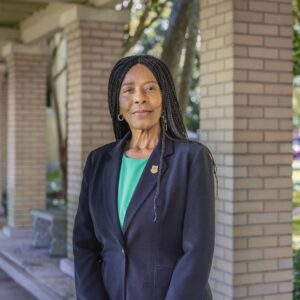
“In addition to the rapid rise in population Graduate program Directory, Texas also faces some of the same challenges as other areas in the United States,” said Dr. Lucindra Campbell-Law, program director of Graduate Studies in the Peavy School of Nursing. “An aging population requires more medical services. Many seniors are living much longer and make use of preventative healthcare. Also, because many medical services are moving out of hospitals and into clinics, there are nursing jobs available in a wider number of medical facilities.”
A recent report from Moody’s listed Texas as part of a trend in nursing shortages in specific states, including Florida, California and Georgia. Not surprisingly, these also are the states that are growing the fastest in terms of an aging population.
Moody’s speculated that the shortage would hit rural areas especially hard because many nurses will stay in urban areas where there are plenty of jobs. Proximity to nursing schools will also play a role in staying in cities, such as UST Peavy School of Nursing’s location near the Houston metro area and Texas Medical Center, home to major employers, clinics, and healthcare partnerships.
Preparing nurses for advanced roles
The demand for Master of Science in Nursing (MSN) nurses is increasing due to a growing need for advanced healthcare services, particularly in specialized areas like primary care, nursing education, and healthcare administration.
This trend is driven by an aging population, a shortage of healthcare providers, and the complexity of patient care requiring advanced skills and knowledge. MSN nurses play a crucial role in modern healthcare systems.
“MSN nurses possess specialized training that enables them to handle complex patient cases effectively,” Dr. Campbell-Law said. “They often take on leadership positions, influencing healthcare policies and practices.”
The projected nursing shortage in the U.S. is increasing demand for MSN-prepared nurses with advanced education and specialized skills. MSN graduates can pursue a range of career paths, including nurse practitioners, nurse educators, and healthcare administrators.
The UST Peavy School of Nursing Graduate Programs offer Master of Science in Nursing programs in:
Dr. Campbell-Law notes how these programs empower registered nurses to elevate their skills, transition into leadership or education-focused roles, and help build a stronger, more resilient nursing workforce.
“By stepping into advanced-practice roles, these professionals not only enhance direct patient care and patient outcomes but also become part of the solution to one of the most pressing healthcare challenges in the state,” Dr. Campbell-Law said.
Meeting Houston’s need for nurses
As the Catholic university in the heart of Houston, the UST Peavy School of Nursing is positioned to serve a region with a growing need for healthcare professionals.
For nurses seeking to advance their careers, earning a Master of Science in Nursing at the UST Peavy School of Nursing opens the door to many potential opportunities across the nation in a multitude of roles. Graduate nursing education can play an important role in preparing professionals to meet the needs of patients, healthcare systems, and communities.