

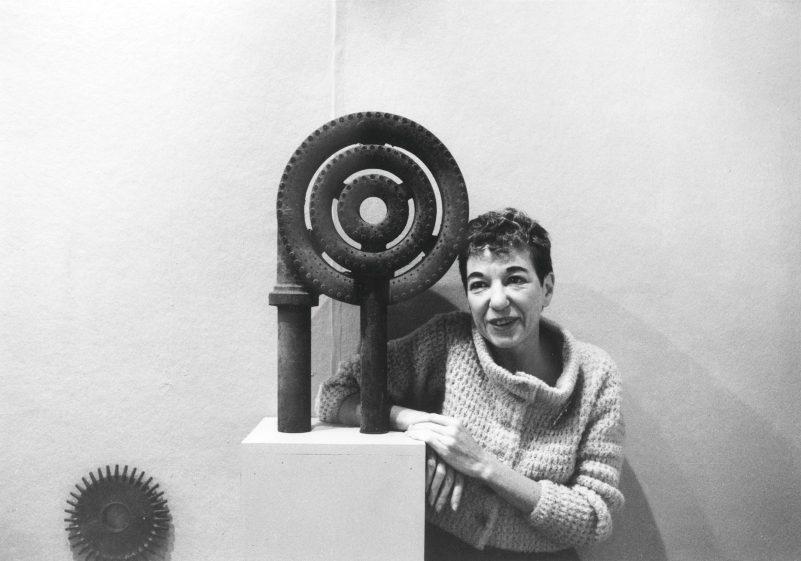
This winter, a new exhibit at The Menil Collection will explore the impact of a visionary from the University of St. Thomas who founded the UST Art History Department and played a pivotal role in shaping Houston’s art community.
“How to Make an Exhibition: The Story of Jermayne MacAgy” is scheduled to be on view Dec. 11, 2026, to July 18, 2027, and is the first comprehensive exhibit to explore and highlight one of the most influential curators in American art history, according to a press release from the museum. During her career, Jermayne MacAgy curated more than 200 exhibits across the country.
“We're not making any assumptions that people know who she is,” said Michelle White, senior curator at The Menil Collection. “Our first hope and goal is that people come away knowing.
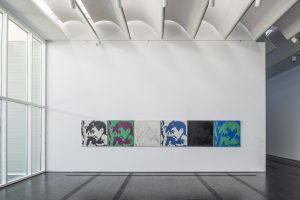
She was such an important force within the arts community in Houston and deeply impactful in establishing the stage for its growth to what it is today.”
MacAgy began her art career in California, where she was the acting director of the California Palace of the Legion of Honor in San Francisco during World War II, and later served as director of the Contemporary Arts Association (now the Contemporary Arts Museum Houston) from 1955-59, according to the press release.
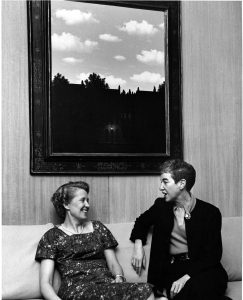
Working with John and Dominique de Menil, she founded the Art History Department at the University of St. Thomas in 1959.
“She pioneered what it meant to be a curator after WWII,” White said, “and…thinking about what a curator does is primarily to think through the experience of seeing art as something that would be entirely geared toward an audience and the public; something we take for granted today.”
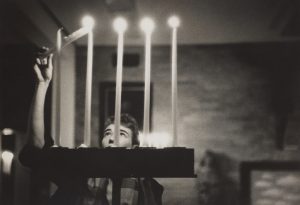
In the 1940s and ‘50s, she said, exhibitions were shorter, sometimes only lasting a month, and they were not designed to be places of community engagement. MacAgy worked to change exhibits from scholarly collections to engaging “places of learning” for the general public through intentional design and layout.
“That’s really why it is so cool her career culminates at the University of St. Thomas, which is where she takes everything she’s learned…and puts it all into practice through thinking about the process of making an exhibition,” White said. “That’s why we’re calling it ‘How to Make an Exhibition;’ she did exactly that with her students in the classroom.”
Her impact extends beyond the classroom and is seen in the success of her former students, such as Fred Hughes, who would go on to become Andy Warhol’s business manager and later oversee the artist’s estate, White explained.
University of St. Thomas Chair of the Department of Art History and Studio Arts Dominic Aquila, D. Litt et Phil., Ed.D., O.P.k, said the arts are integral to the mission of UST.
“Jermayne MacAgy’s legacy reminds us that the visual arts have long been central to UST’s mission: they teach students to see attentively, think imaginatively and encounter truth through beauty,” Dr. Aquila said. “Today, our bachelor’s degrees in Art History and Studio Arts—the latter offered in partnership with the Glassell School of Art—carry that distinguished tradition forward for a new generation.”
UST President Dr. Sinda Vanderpool said having UST right next to The Menil Collection enhances the campus experience.
“It is an incredible privilege for our students, faculty, staff, and guests to have The Menil Collection just up the street,” Dr. Vanderpool said. “I look forward to our campus community seeing the MacAgy exhibition while remembering that UST’s history is deeply tied to the Menil legacy in Houston. We aim to bring that history to life by encouraging our community members to visit this exhibit.”
Organized chronologically, “How to Make an Exhibition” will lead audiences through groups of work inspired by, or included in, some of MacAgy’s most influential exhibitions from the 1940s to the 1960s, according to the press release.
In December, the Menil will also release a complementary publication, “Jermayne MacAgy: Lessons from a Curator,” offering a comprehensive, archive-based survey of MacAgy’s exhibitions, alongside an in-depth look at her life and career, according to the press release. They will also offer a lecture, "Who Was Jermayne MacAgy?" on Jan. 14.