Department of Political Science, International Studies, and Modern Languages
Cultural Exchange and Global Engagement for the Flourishing of the World
Apply to an Academic Program Today!
About the Department
Understand Politics. Engage the World. Lead Across Cultures.
The Department of Political Science, International Studies, and Modern Languages at the University of St. Thomas prepares students to understand the political institutions, public policies, international forces, and cultural differences that shape our increasingly interconnected world. Bringing together political science, public policy and administration, international studies, diplomacy, global affairs, and modern languages, the department provides an interdisciplinary education for students seeking to become informed citizens, ethical leaders, and globally engaged professionals.
Why Study Political Science, International Studies, and Modern Languages
Experience the Global Connection
See why this combination of programs sets the stage for your future—anywhere in the world.
Political Science sets the stage
Political Science provides students with a foundation for understanding government, political institutions, public policy, law, political behavior, and the ideas that shape public life. Public Policy and Public Administration builds upon this foundation by examining how policies are developed, implemented, and evaluated and how public and nonprofit institutions can effectively serve their communities. International Studies expands the department’s perspective beyond national borders, examining diplomacy, foreign policy, international security, global development, international political economy, and relations among states and societies. Modern Languages complement these fields by developing the linguistic and intercultural competencies necessary to communicate, collaborate, and lead across cultures.
How it fits together
Together, these disciplines allow students to examine contemporary challenges from multiple perspectives. From democratic governance, political polarization, and effective public administration to geopolitical competition, armed conflict, cybersecurity, economic development, and cultural exchange, students learn to analyze complex problems, evaluate competing perspectives, and communicate their ideas effectively.
Why the Catholic intellectual tradition is crucial
Grounded in the Catholic intellectual tradition, the department encourages students to approach politics, public service, and international affairs through a commitment to human dignity, justice, ethical leadership, and the common good. Students are challenged not simply to understand political and global problems, but to consider how governments, institutions, communities, and individuals can contribute to a more peaceful, just, and flourishing society.
Unique career preparation
Graduates are prepared for careers in government, law, diplomacy, public policy, public administration, international business, education, communications, nonprofit organizations, cybersecurity, intelligence and security analysis, and other professions requiring political knowledge, global awareness, and cross-cultural competency.
Our Programs
Explore Politics, Public Service, Global Affairs, and Languages
The Department of Political Science, International Studies, and Modern Languages offers interdisciplinary programs that allow students to explore political institutions, public policy, international relations, cultures, languages, and emerging global challenges.
Undergraduate Programs
Graduate Programs
Our Programs
Explore Politics, Public Service,
Global Affairs, and Languages
Whether students are preparing for law school, government service, public administration, diplomacy, international business, graduate education, or careers in the private and nonprofit sectors, these programs provide a strong foundation in critical thinking, research, policy analysis, communication, ethical reasoning, and leadership.
Experts in the field
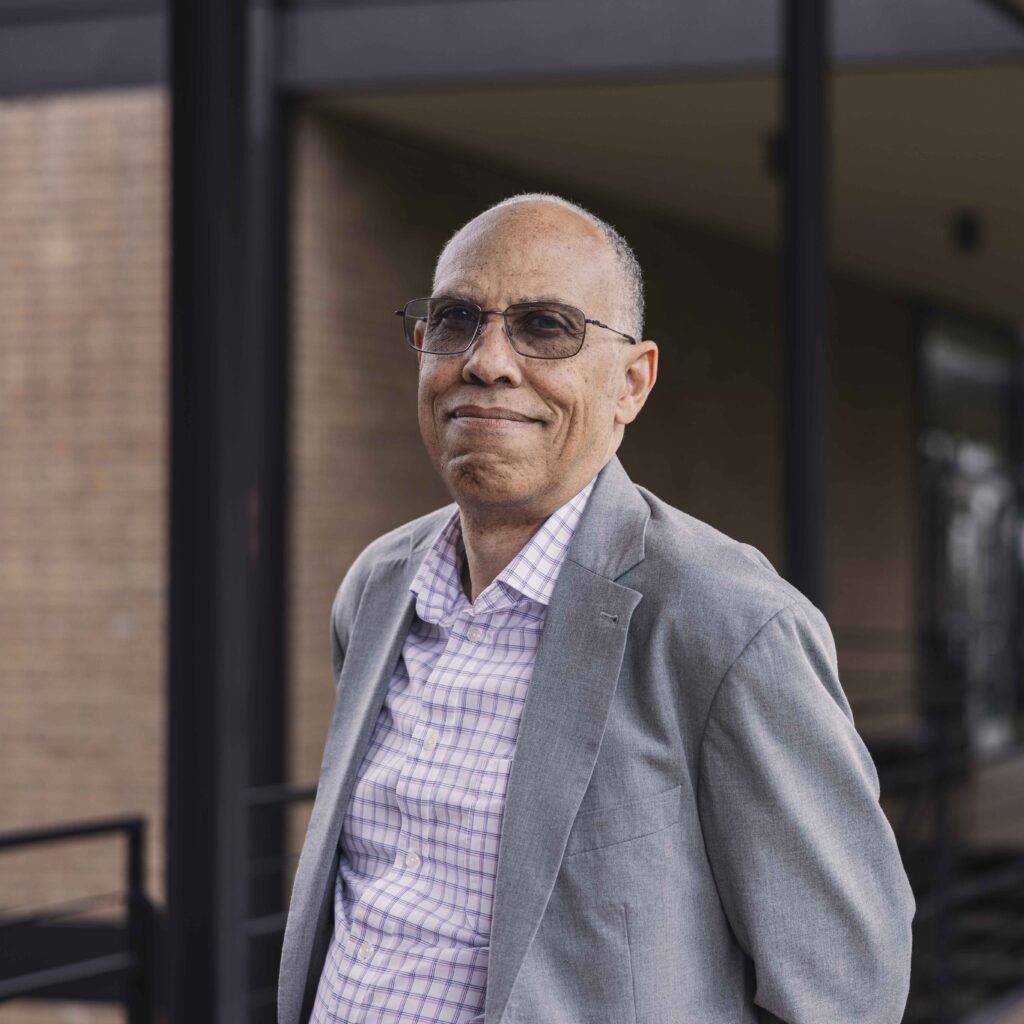
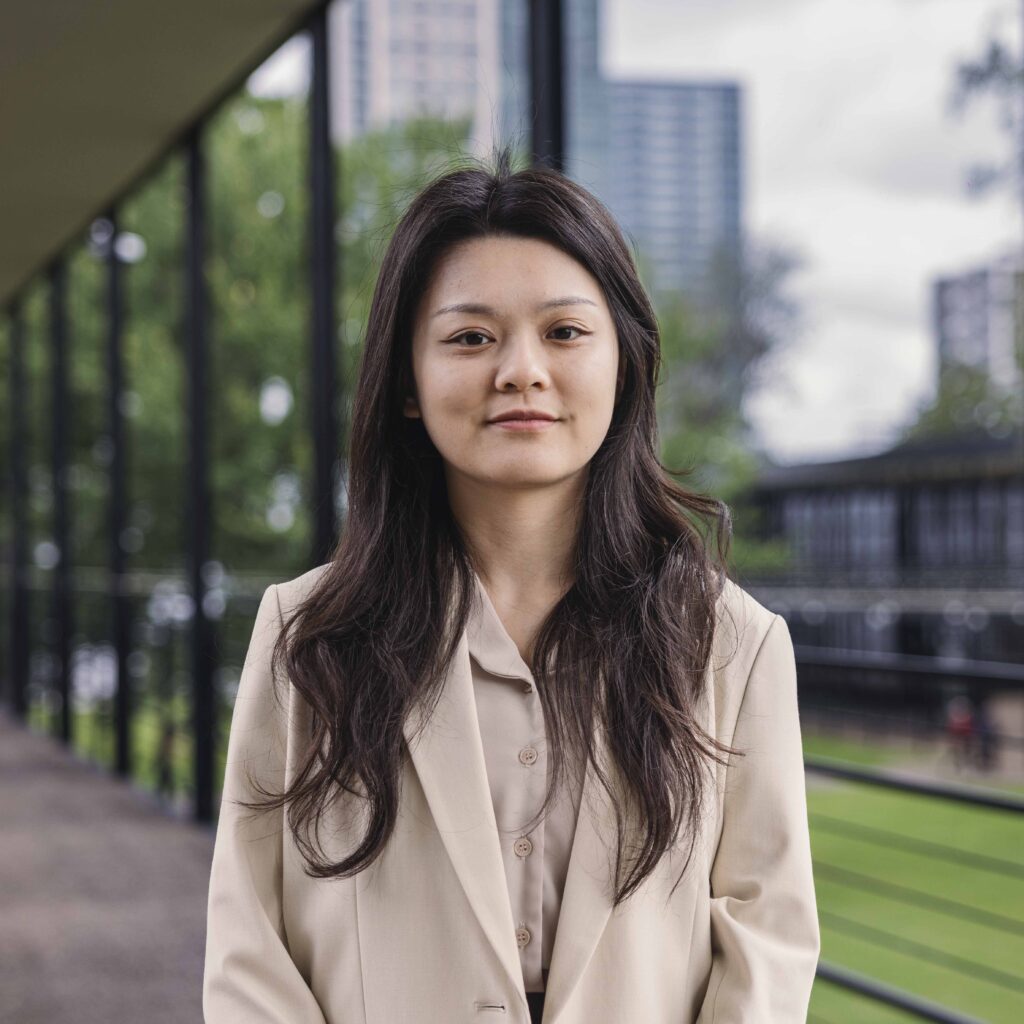
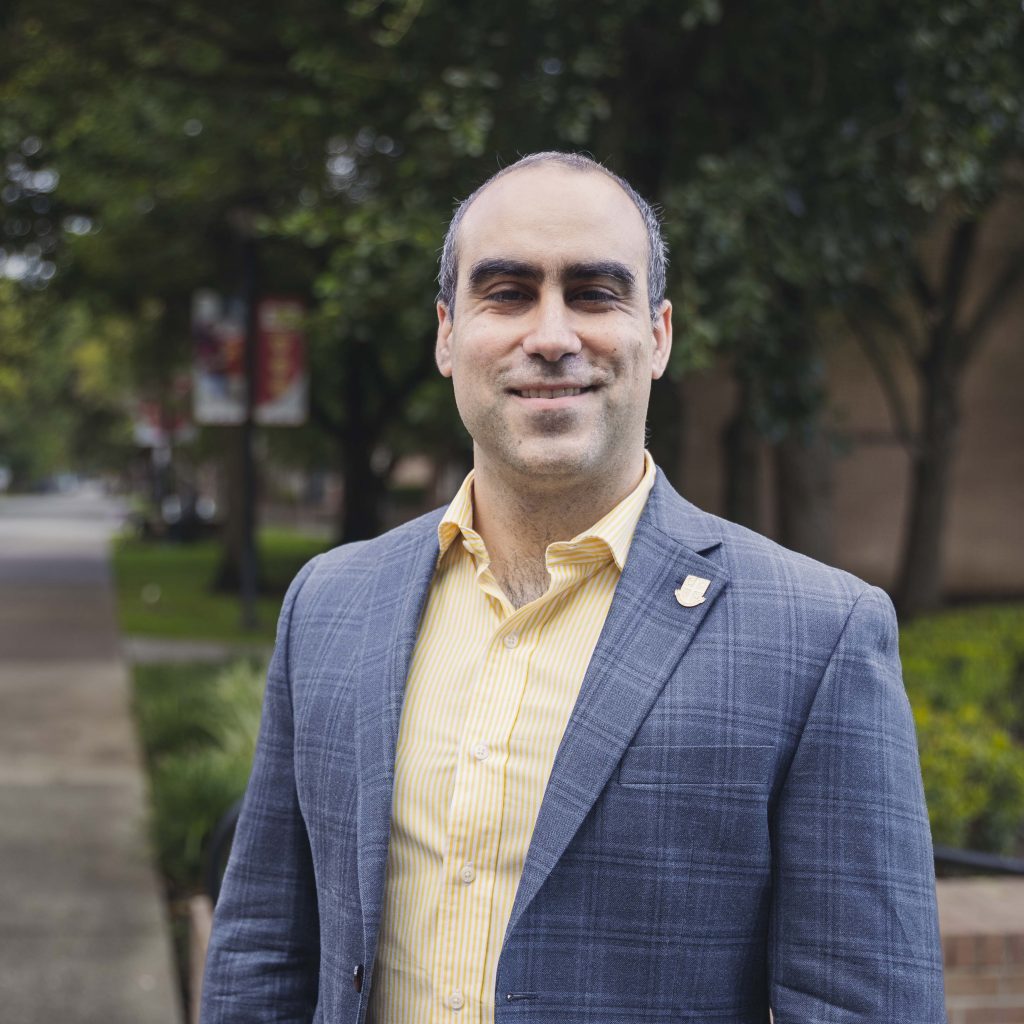
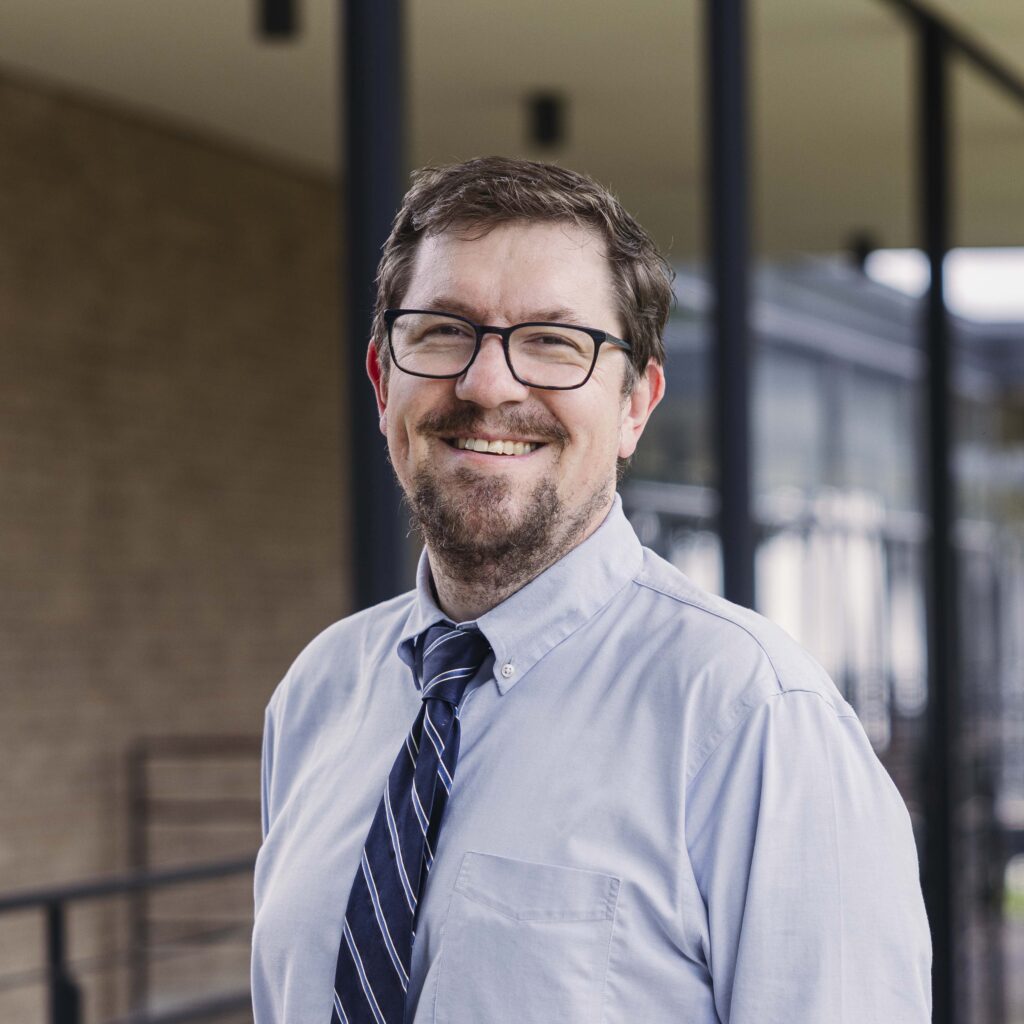
Leadership and Faculty
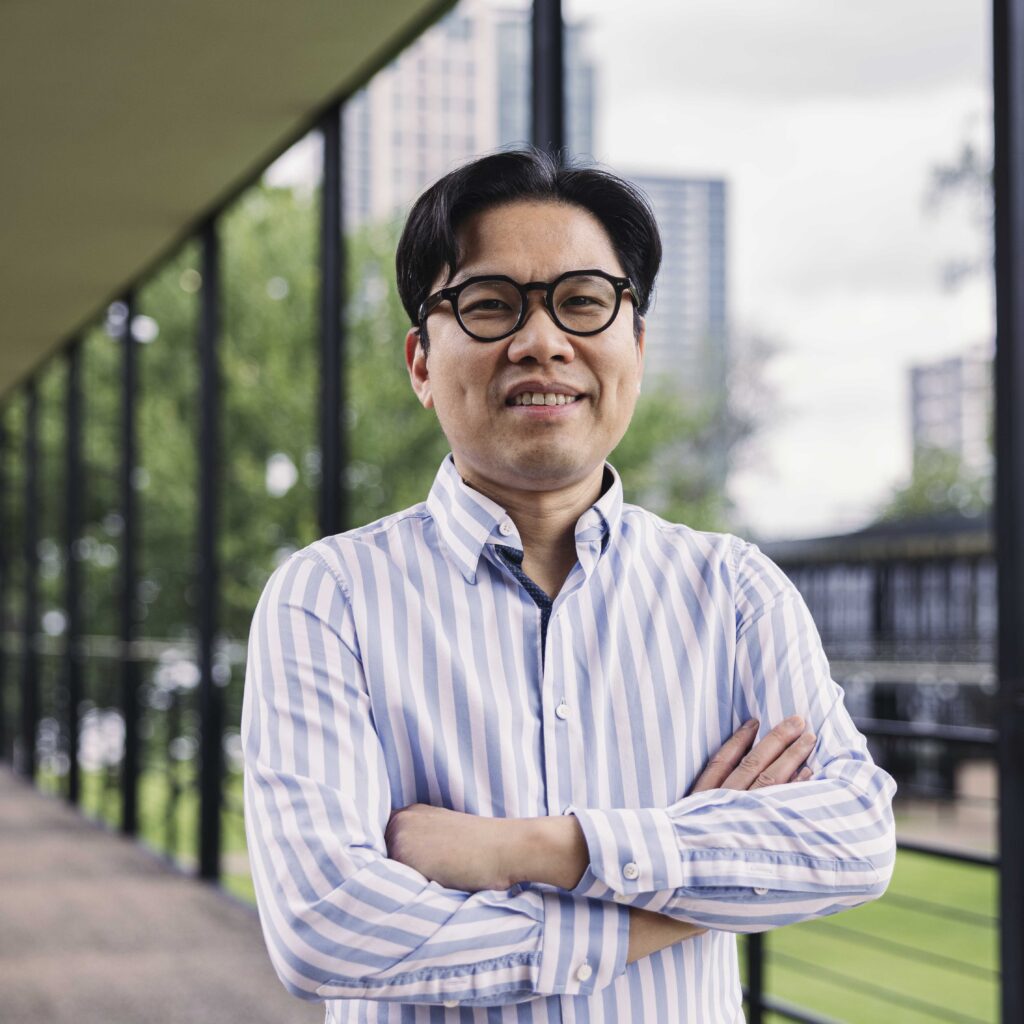
Yao-Yuan Yeh, Ph.D.
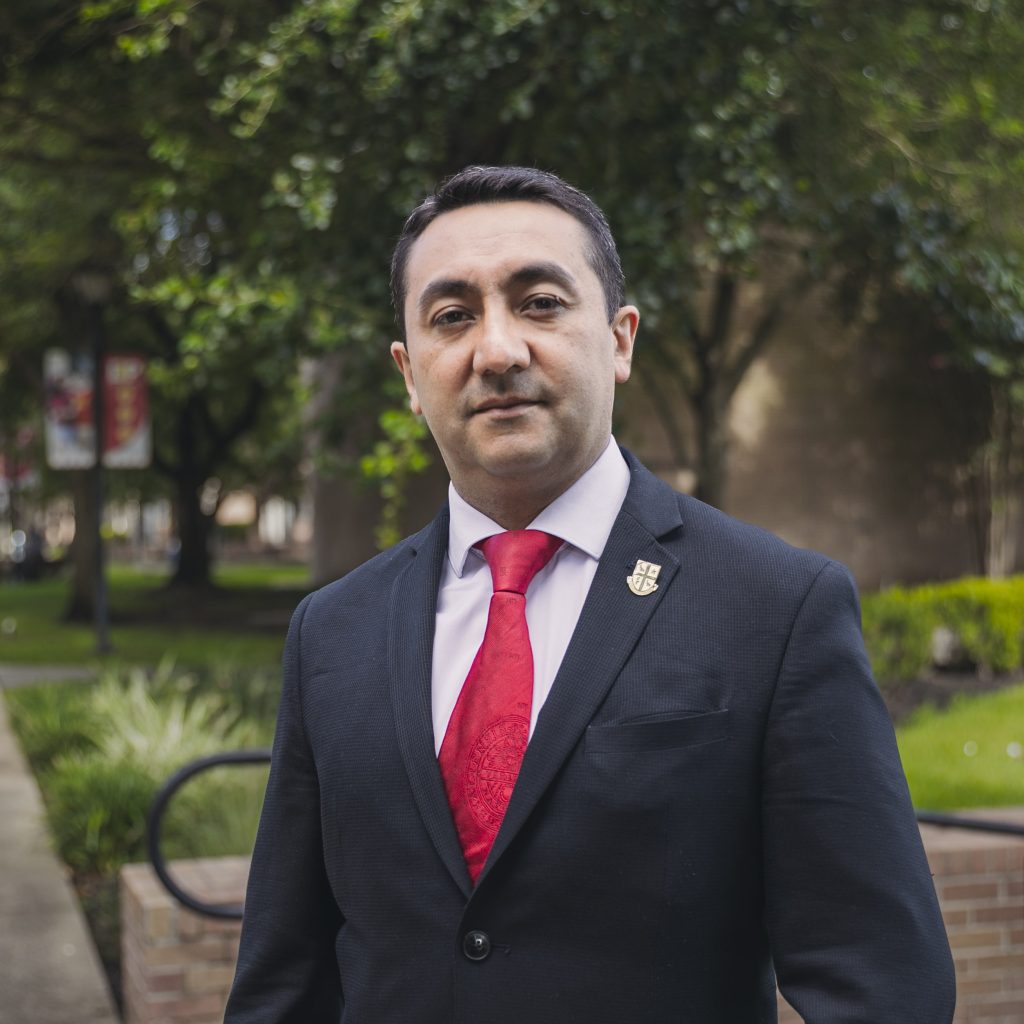
Yao-Yuan Yeh, Ph.D. currently serves as a tenured professor and the Fayez Sarofim – Cullen Trust for Higher Education Endowed Chair in International Studies at University of St. Thomas, Houston. He is also the Chair of the Department of Political Science, International Studies, and Modern Languages, Director of the Master’s Program in Diplomacy and Strategic Affairs, Director of the Taiwan and East Asia Studies Program, and Director of the Mandarin Center jointly operated by the University of St. Thomas and Wenzao Ursuline University of Languages.
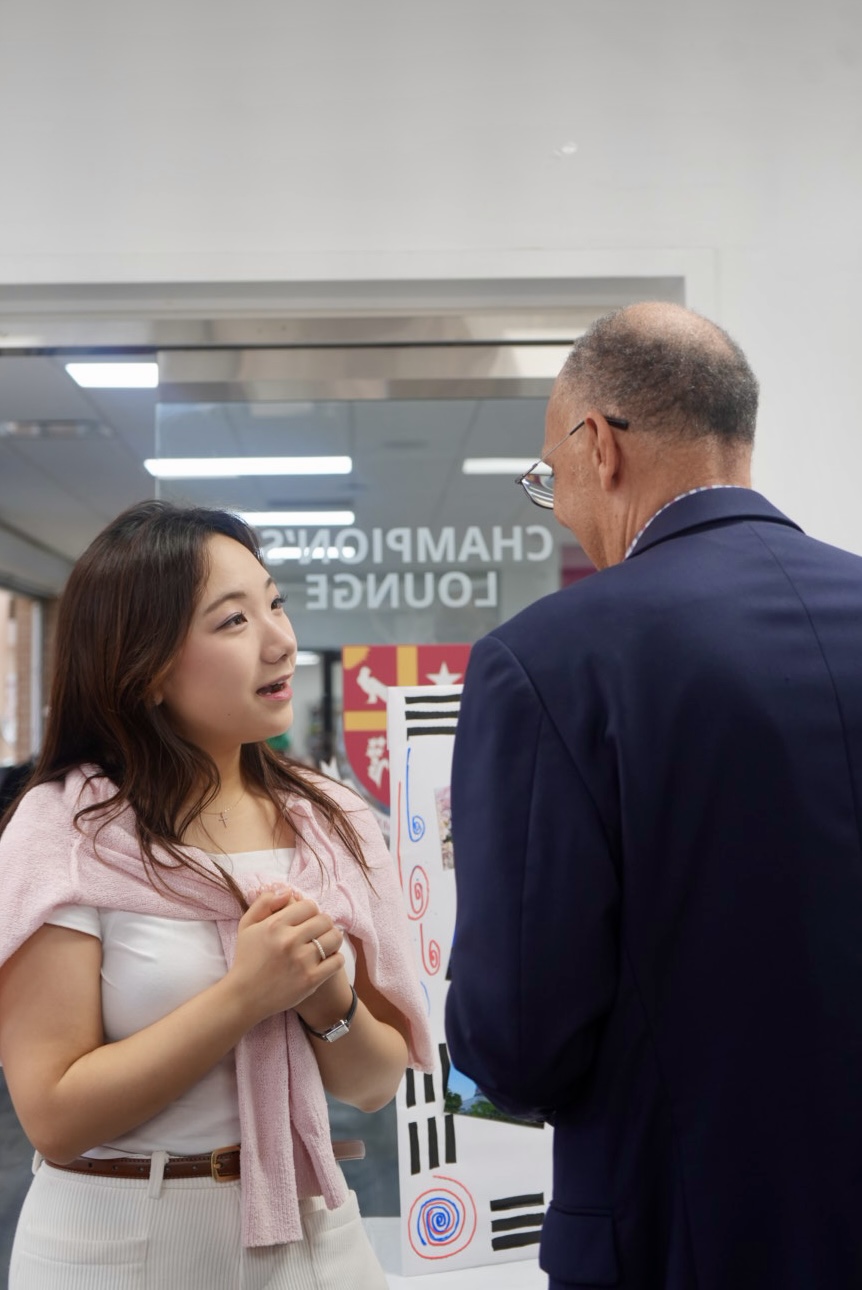
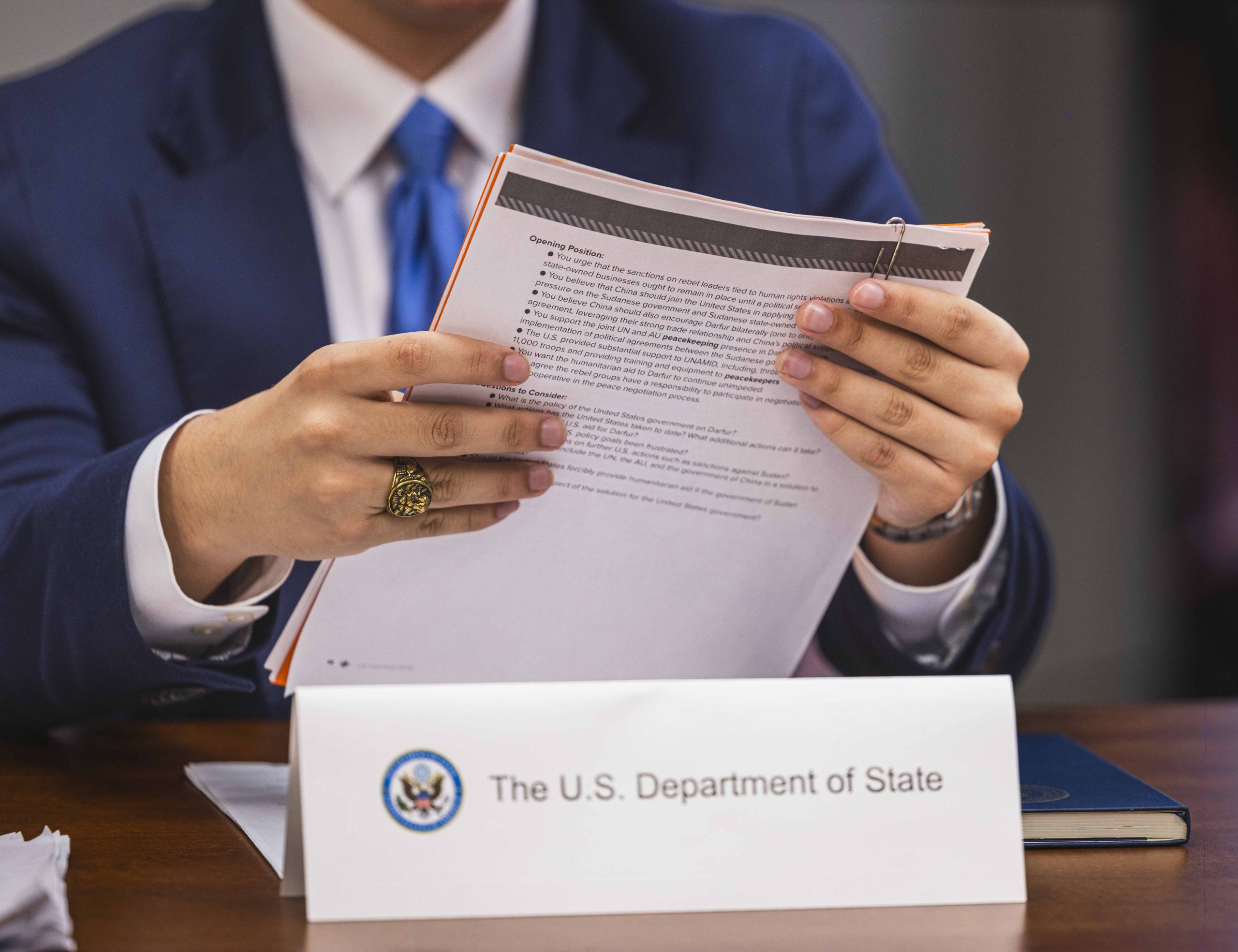
Student Experience in Political Science, International Studies ,and Modern Languages
Frequently Asked Questions
What experiential learning opportunities are available to students studying political science, international studies and modern languages at the University of St. Thomas?
Education in politics, public policy, and international affairs extends beyond the classroom. Students in the Department of Political Science, International Studies, and Modern Languages have opportunities to apply what they learn through experiential programs that connect academic knowledge with public life and professional practice.
Students may participate in internships, study abroad programs, faculty-guided research, Mock Trial, student government, Model United Nations, professional conferences, and internationally focused student organizations such as the International Celts Society. These experiences strengthen leadership, communication, research, advocacy, policy analysis, and intercultural skills while helping students build professional networks.
Study abroad provides students with firsthand exposure to other political systems, societies, and cultures while offering opportunities to develop language skills and global awareness.
How does studying political science and international affairs in Houston enhance the student experience?
Houston itself serves as an important learning environment. As one of the nation’s most diverse and internationally connected metropolitan areas, the city provides access to local and regional government, courts, consulates, international businesses, nonprofit organizations, and culturally diverse communities.
The University of St. Thomas connects students’ academic experiences with the broader Houston community, giving students opportunities to explore politics, public policy, cultures, languages, and international affairs from multiple perspectives.
Through study abroad and intercultural learning opportunities, students also gain firsthand exposure to other political systems, societies, and cultures while developing language skills and global awareness.
How can students engage with diplomats, policymakers, scholars and global leaders at UST?
The department regularly brings public officials, diplomats, scholars, attorneys, policy experts, business leaders, and international professionals to campus, connecting students directly with individuals shaping public policy, government, and global affairs.
Signature programs and activities include:
- Distinguished Diplomat Program Luncheons
- Distinguished Diplomat Endowed Lecture Series
- Mock Trial
- Model United Nations
- International Festival (I-Fest)
- Lunch and Learn events
- Panel discussions on contemporary political, policy, and international issues
- Young Diplomat Summer Camp for high school students
- Faculty and guest lectures
- Study abroad and intercultural learning opportunities
The annual International Festival celebrates the cultural diversity of the UST community through international food, music, dance, performances, and cultural activities. Together with the department’s academic and professional programming, these experiences create a vibrant intellectual community where students can explore politics, public policy, cultures, languages, and international affairs from multiple perspectives.
What careers can I pursue with a degree in political science, international studies or related fields?
The interdisciplinary nature of the department prepares students for a wide range of professional paths. Students develop transferable skills in critical thinking, research, policy analysis, persuasive writing, public speaking, cross-cultural communication, leadership, and ethical decision-making.
Graduates are prepared to pursue careers in:
- Law and legal services
- Local, state, and federal government
- Public policy and public administration
- Diplomacy and foreign affairs
- International organizations
- Intelligence and national security
- International business
- Cybersecurity and technology policy
- Nonprofit and humanitarian organizations
- Communications and media
- Education and academia
- Community and public leadership
The department also provides strong preparation for advanced study in law, political science, international relations, public policy, public administration, diplomacy, business, and related fields.
How does UST prepare students to become ethical leaders in politics and global affairs?
The Department of Political Science, International Studies, and Modern Languages seeks to educate students who understand the institutions that govern society, the policies that affect communities, and the international and cultural forces transforming our world.
At the University of St. Thomas, the study of politics, public policy, and global affairs is ultimately connected to questions of human responsibility:
- What makes government just?
- How should political leaders exercise power?
- How can public institutions serve their communities more effectively?
- How can nations resolve their differences peacefully?
- How should societies respond to technological and economic change?
- And how can people with different political, cultural, and religious perspectives work together for the common good?
Rooted in the Catholic intellectual tradition, our programs encourage students to confront these questions with intellectual rigor, ethical judgment, and respect for human dignity.
By integrating political science, public policy and administration, international studies, diplomacy, and modern languages, the department prepares students not only to understand a changing world, but also to participate in shaping its future.
Join Our Community
Explore Cultures with a Global Mindset
In the Department of Political Science, International Studies, and Modern Languages, students can study politics, policy, international relations, diplomacy, law, cybersecurity, and more. Modern language courses in Spanish, French, Japanese, and Mandarin Chinese provide additional opportunities to strengthen communication skills and deepen students’ understanding of other cultures and societies.
The department’s flexible curriculum allows students to combine fields of study and build an academic experience aligned with their professional interests and long-term goals.